As the weather warms up, more and more people are heading outdoors to explore the beauty of Vancouver Island.
From dense rainforests to rugged coastlines, this place is a true walk on the wild side—and that means sharing space with wildlife.
While it’s exciting to see a deer on your morning hike or spot an eagle soaring overhead, it’s just as important to be prepared in case your trail crosses paths with a bear, wolf or cougar.
These animals live here full-time, and while encounters are rare, it’s a good idea to know what to do if one happens. Think of it as part of being a respectful visitor to their backyard.
Let’s start with the basics. Whether you’re camping, hiking, or just going for a stroll in one of the Island’s many parks, keeping these habits in mind can go a long way:
- Don’t approach wildlife—especially babies (nothing says “trouble” like stepping between a mama and her cubs)
- Avoid smelly foods and scented toiletries (yes, even toothpaste!)
- Keep food and garbage stored properly and use animal-proof bins when available
- Never hike alone in known wildlife zones, especially at night
- Use a bear bell or make noise on trails
- Keep dogs on a leash—off-leash dogs can provoke wild animals and make a situation worse
Now let’s get into the nitty-gritty of how to stay safe when it comes to the Island’s big three: bears, wolves, and cougars.
Bears
Vancouver Island is home to a healthy population of black bears, and sightings are not uncommon—even in neighbourhoods! Grizzlies don’t live here, so you can at least cross that worry off your list.
Most bears want nothing to do with people and will leave you alone if you give them space. That said, if you do encounter one:
- Get your bear spray ready
- Stay calm and speak in a soft, steady voice
- Back away slowly while keeping the bear in sight
- Don’t run
If a bear seems agitated—think stomping, jaw popping, bluff charging—it’s probably feeling defensive. Just keep backing away calmly, with your bear spray at the ready.
If it continues toward you and gets within 30 feet, aim your spray just above its head to hit the eyes, nose and mouth.
Wolves
Wolves on the Island are more elusive than bears and prefer to keep their distance—but they do exist, especially in coastal areas. While it’s rare to see one, it’s smart to be prepared just in case.

If you do spot a wolf:
- Make noise and try to scare it off before it gets within 100 metres
- Wave your arms to look bigger
- Use whistles or air horns if you have them
- Throw rocks, sticks or sand
- Keep kids in the middle of the group
- Back away slowly—do not run
If a wolf becomes aggressive or attacks, don’t back down. Fight back using anything you can—sticks, rocks, your fists—and try not to let it get behind you.
A few wolf-specific notes:
- Don’t camp near marine animal carcasses—coastal wolves scavenge and might already have dibs on the area
- Stay 200m away from swimming wolves or those spotted near shore when you’re boating
- Always use park toilets or pack out your waste—yes, really. Wolves have been known to dig up buried human waste
Cougars
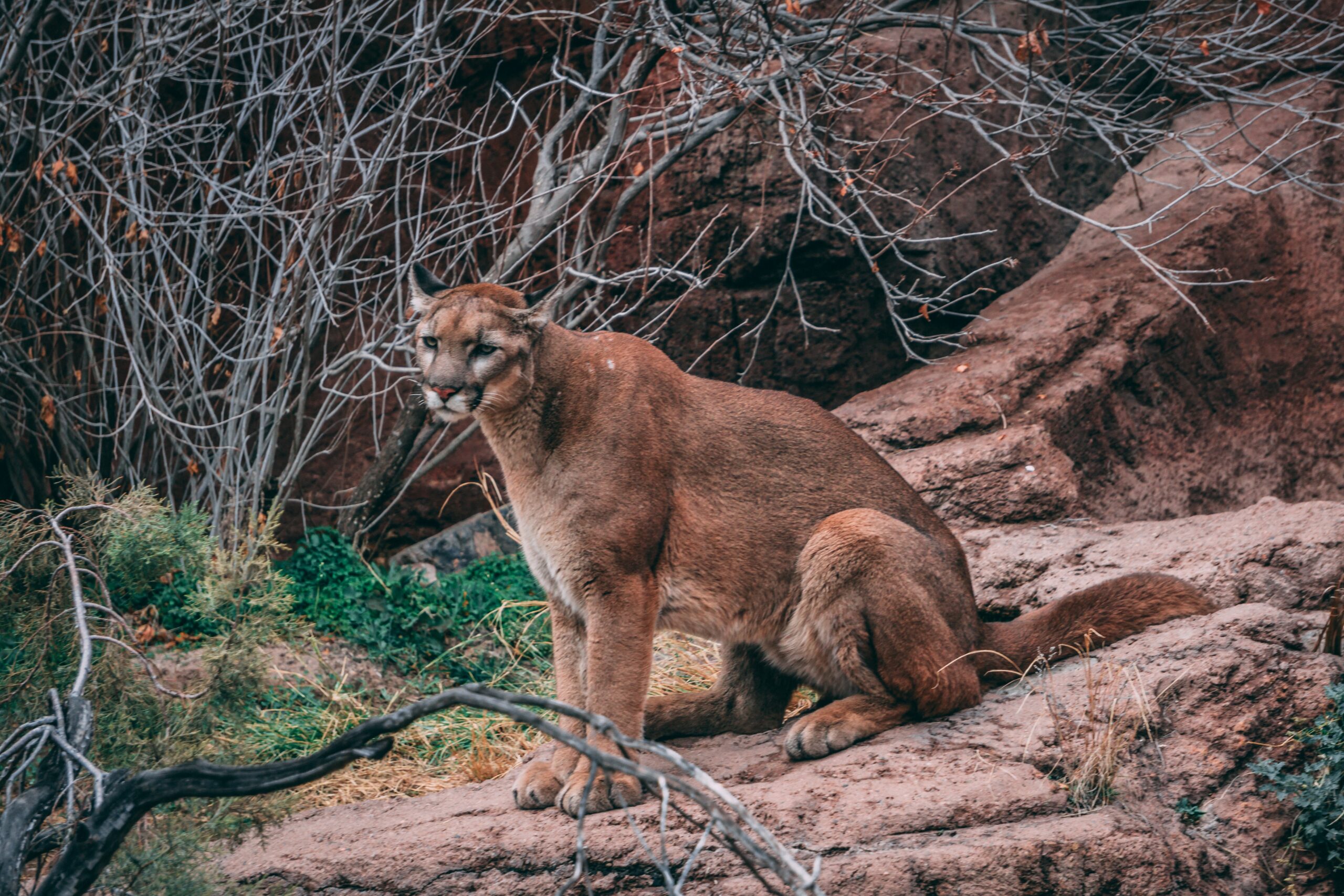
Cougar sightings are even less common than wolves, but they do happen from time to time—especially on trails where they can remain hidden. These big cats are silent and stealthy, and they often won’t let themselves be seen unless they want to be.
If you spot a cougar:
- Stay calm
- Look big and keep eye contact
- Back away slowly and give it space to leave
- Speak loudly and confidently
If the cougar continues to follow you or acts aggressive:
- Maintain eye contact
- Show your teeth
- Make loud noises
- Get a stick or weapon and prepare to defend yourself
Should the cougar attack, do not play dead—you need to fight back with everything you’ve got. Use bear spray, throw rocks, and aim for the eyes and nose. Like wolves, cougars are predators, and they often go after smaller prey, so be sure to pick up children and pets immediately to protect them and make yourself look larger.
Exploring the outdoors on Vancouver Island is one of the best parts of living here—or visiting here—but it’s important to be mindful of the wildlife that call this place home.
Educating yourself about how to react in the (rare) event of a close encounter helps keep both humans and animals safe. After all, when animals start getting too used to people, they often end up being put down—and nobody wants that.
So pack smart, hike aware, and give the wild its space. With the right knowledge and a little preparation, you can explore all the natural beauty the Island has to offer—and return home with nothing but great memories and maybe a few photos (from a safe distance, of course).
Happy exploring!