If you went outside this morning and thought the end of the world had come, don’t worry.
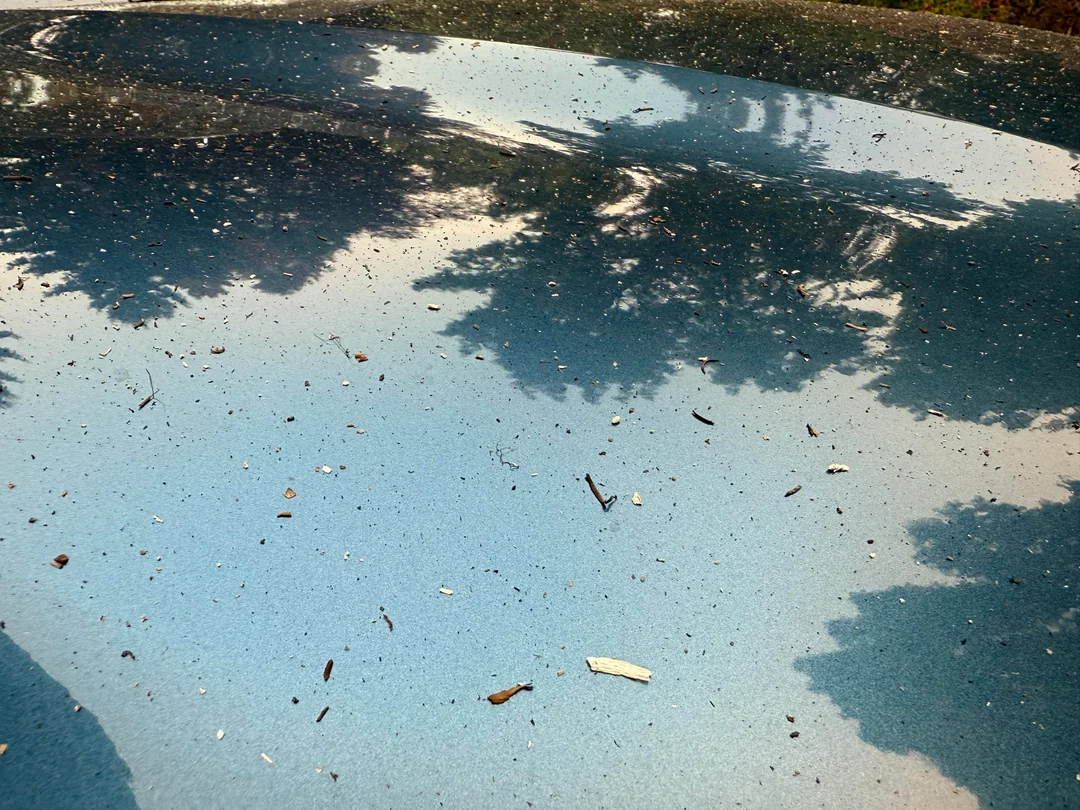
That strange orange glow in the sky and the layer of ash on your car have a real, and somewhat old-fashioned, explanation.
Strong winds near Mount St. Helens in Washington state have stirred up old volcanic ash from the famous 1980 eruption. Those winds have carried the dusty remnants all the way to Greater Victoria.
In 1980, the explosive eruption sent a massive debris avalanche into the air, spreading ash across the Pacific Northwest. Normally, that volcanic powder stays buried in the ground.
However, dry weather and severe drought conditions around Mount St. Helens have made it loose and vulnerable. When strong easterly and southeasterly winds blow across the area, the ash gets lifted into the air and carried far from where it originally settled.

According to the US Geological Survey (USGS), pilots in Washington reported seeing the ash being moved west and northwest from the volcano on Tuesday morning. Importantly, this isn’t due to any new eruption.
Mount St. Helens remains at its usual background level of activity, with the aviation alert code still set at green.
The USGS notes this phenomenon sometimes happens during periods of high winds and dry, snow-free conditions. While there’s no risk of an eruption, suspended volcanic ash can be dangerous for aircraft and may cause health issues for those with respiratory sensitivities.
Reports from Washington also indicate that hazy skies are affecting their communities. For us, it’s a striking reminder of how lasting the impact of the 1980 eruption still is, nearly 45 years later.
So no, it’s not the end of the world. It’s just another moment when the Pacific Northwest’s volcanic past makes itself known again.